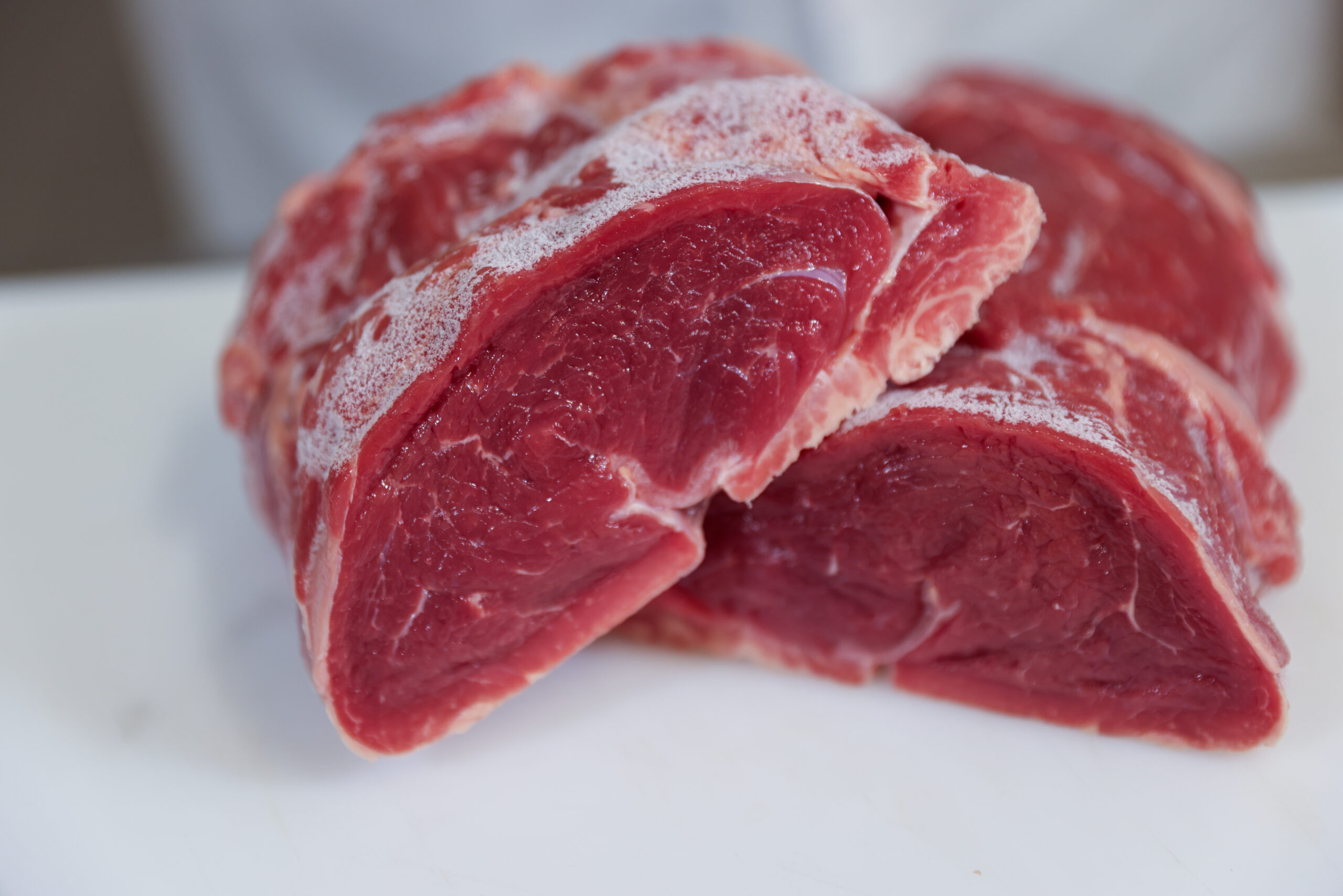
A recent study conducted by a group of Iranian researchers (Atani et al., 2025) aimed to evaluate the efficacy of dielectric barrier discharge (DBD) plasma—an innovative non-thermal technology—for thawing beef. Specifically, the experiment involved treating frozen samples of varying thicknesses (5, 10, and 15 mm) at voltages ranging from 16 to 20 kV.
The results indicate that plasma treatment reduces thawing time by approximately 82% compared to air thawing. Energy consumption using plasma at 16, 18, and 20 kV was 95%, 93%, and 82% lower, respectively, than that of microwave thawing for samples of comparable thickness. Furthermore, no viable microorganisms were detected in the plasma-thawed samples, and cytotoxicity tests on L929 cells using meat treated at 20 kV confirmed the safety of the proposed method. However, higher voltages induced changes in myofibrillar protein structure and altered the beef’s microstructure, warranting further investigation.
In summary, although some aspects require additional multidisciplinary study, the results obtained so far highlight the potential of DBD plasma thawing as a rapid, energy-efficient, and safe alternative to traditional methods.
Bibliographic references: S.H. Atani et al., Future Foods, 11, 2025 100600.