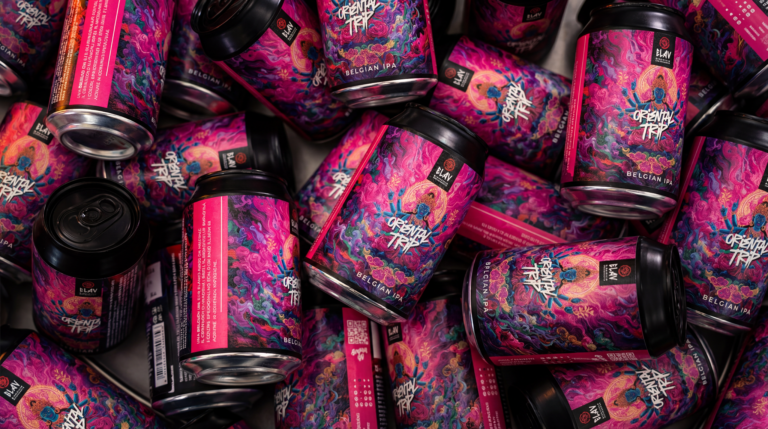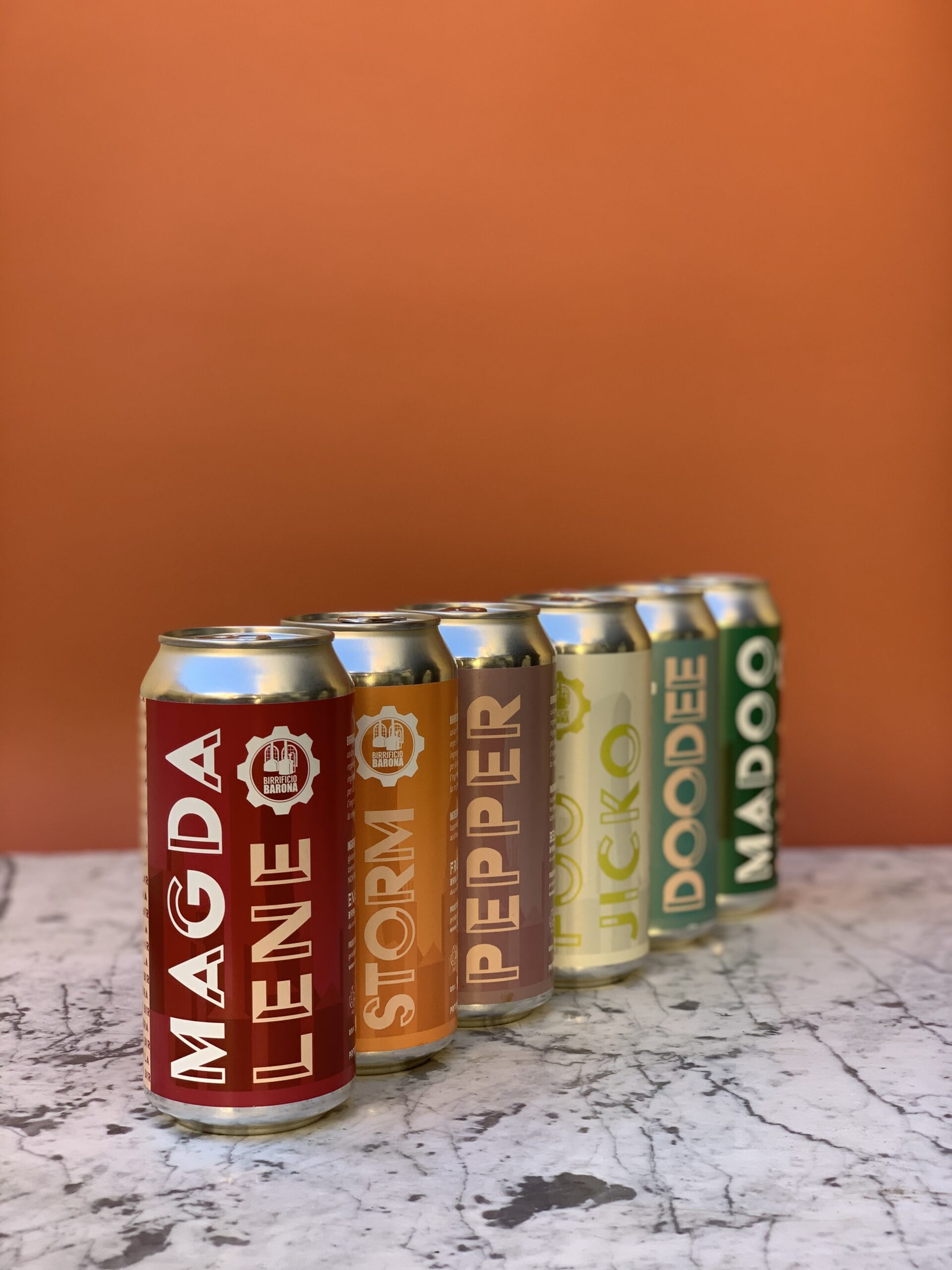
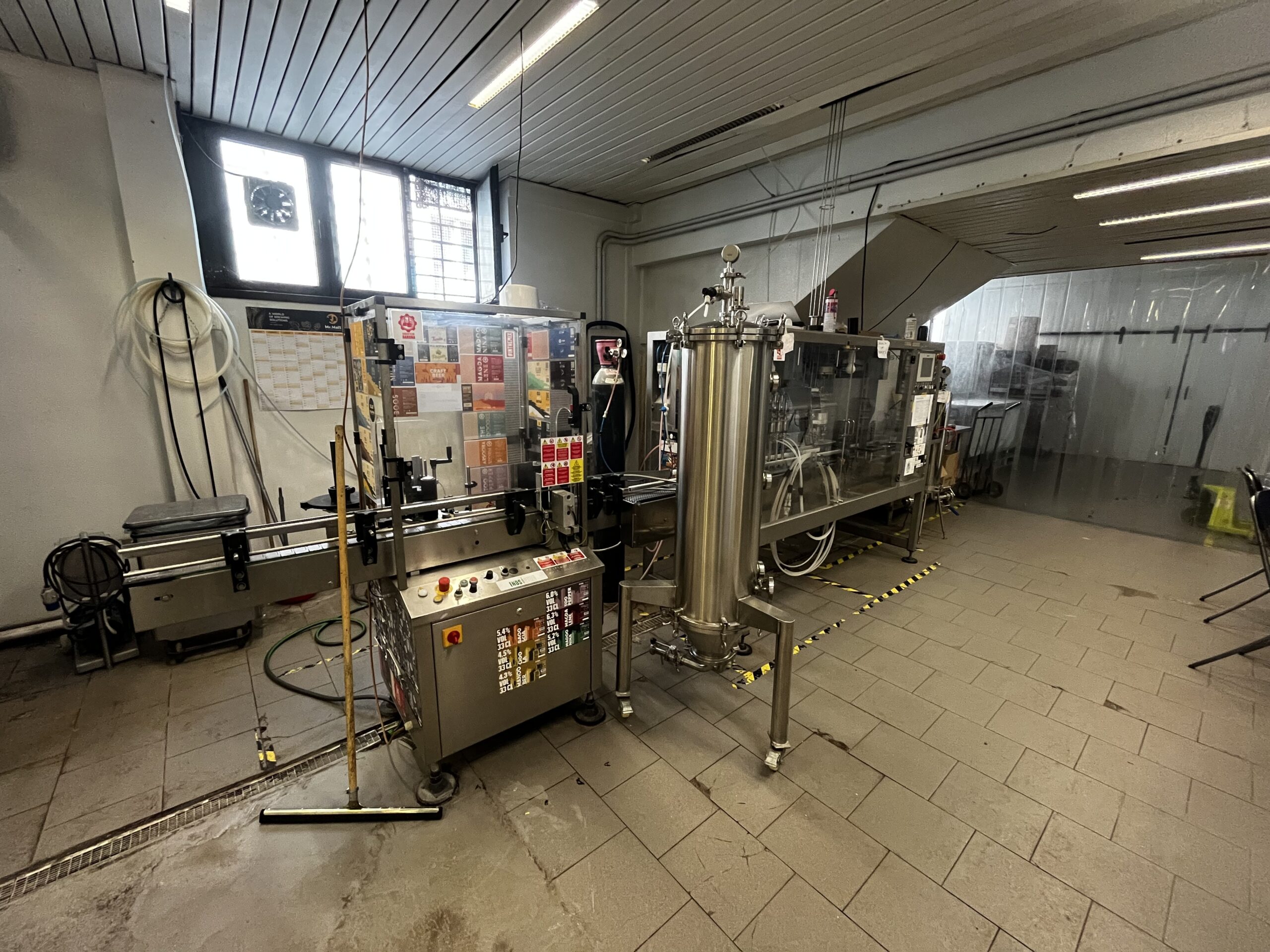
Few places offer a better vantage point for observing the many transformations reshaping the Italian social fabric than Milan — and, in particular, its outlying neighborhoods. Where factories once stood, lofts have sprung up, and the city’s outskirts are making headlines thanks to the exploits and stories of rappers and singer-songwriters, both young and old. This is certainly true of Barona — a district in Milan’s southwest, just a stone’s throw from both San Siro and the legendary Navigli — which has recently returned to the spotlight thanks to the tributes paid to it by its own native son, Marracash. Here, too, there are those who serve up their own brand of “music” — in the form of beer on tap or in 33cl cans — and have been doing so successfully for over a decade. Birrificio Barona has been selling its own branded products since 2013, though it only moved into its current premises on Via Modica two years later.
Learning from the masters
Birrificio Barona was founded and is owned by Daniele Martinelli, a native of Versilia; his professional background notably includes experience as a sales manager for several well-known Italian and international beer brands, as well as a broader passion for fine beer. “I was always drawn to the idea of running a pub, so I worked behind the bar at a beer hall in Andalo, Trentino, and later in Milan at the Old Fox — a venue where I first became a partner and eventually the sole owner in 2012.”
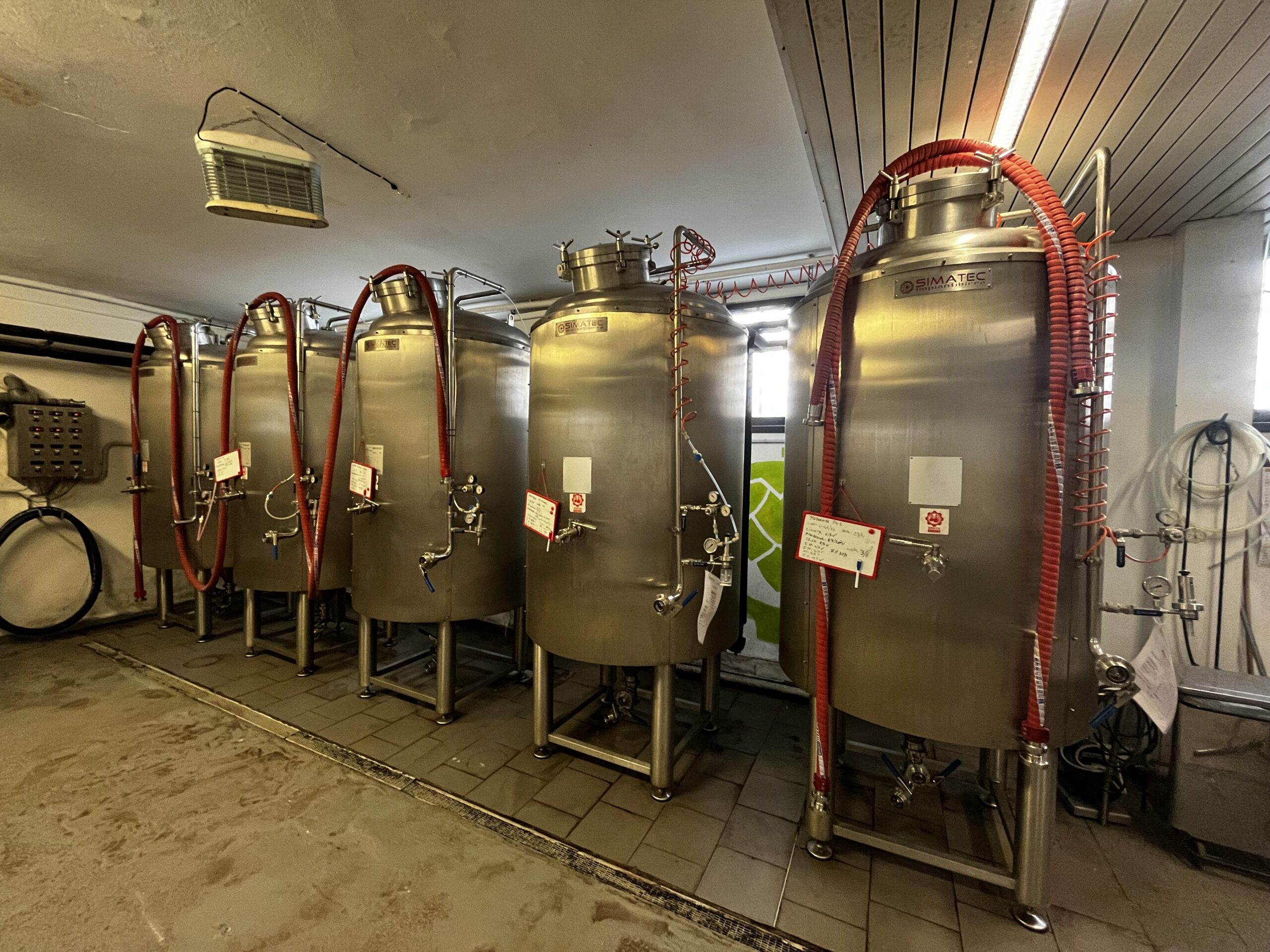
Yet, behind the business lies a genuine passion — a passion that drove Martinelli to test his skills starting in 2002 with home-brewing experiments and to hone his expertise by taking courses in beer technology under Stefano Buiatti in Udine. He initially produced his first batches via outsourcing — so to speak — by partnering with Renato Carro’s Birrificio Valcavallina; however, running a fully independent operation was clearly his destiny. After a fortuitous meeting with Federico Cavallin, the owner of Emma, he decided to acquire his own brewing equipment and immediately capitalize on the growing trend of canned beer. A well-orchestrated strategy ultimately did the rest.
Milan, UK
“Being able to rely on a sales outlet like Old Fox was crucial; the key insight was to gradually introduce artisanal products into a classic-style pub. Over time, it has come to account for roughly 70% of our total annual production, although some volume is still allocated to other local venues. Production quantities have risen accordingly, and the challenge now lies in reaching a different customer base than the one I knew from my own past as a consumer and bartender. One of the secrets lies in beer and food pairings: they make the business model sustainable, and we have worked out the details meticulously.”
At this Milanese establishment, one can certainly order a menu typical of a British pub — yet one crafted by a chef from the UK who remains faithful to the principles of what Martinelli has described as “interesting and appealing cuisine,” defying the many prejudices surrounding it. To ensure the use of the right ingredients, the venue has adopted a “zero-mile” (or near-zero-mile) approach, forging partnerships with farms and producers capable of supplying high-quality raw materials. At the bar, beers flow freely — all strictly in the British style—starting with the bitter brewed in the Barona district and poured to perfection using the quintessential Angram hand pump.
Experiences on tap (and in cans)
For both producers and servers, success hinges on the ability to draw younger generations into the culture of lagers and similar styles. It is no easy task, yet there is a simple, ingenious solution. “I see a renewed interest, particularly among twenty-year-olds — more so than among those in their mid-twenties. They prioritize quality over brand names and actively seek out experiences and storytelling. The desire to gather stems from the feeling of being at ease in a specific place — a venue that successfully meets a range of precise, individual, hedonistic needs.” This shift in the consumer base drives research and inspires the increasingly meticulous selection of malts for recipes that Martinelli both conceives and tests. R&D efforts sometimes proceed in fits and starts; a project might stall and sit on the back burner for a while before regaining momentum and vigor. This was the case with the gluten-free lines, which saw uneven development before finally solidifying thanks to the identification of new enzymes. Work is also underway to extend shelf life; achievements to date include a lifespan of eight to ten months without pasteurization.
At a time when the momentum craft beer gained years ago sometimes seems to be flagging — and the sector faces threats from the shrewd marketing tactics of international brewing giants — creativity and flexibility could prove to be Birrificio Barona’s trump cards.