Regulation (EU) 2025/40 on packaging and packaging waste, known as the PPWR, comes into force on 12 August 2026. However, not all obligations come into force at the same time: many requirements have deadlines and phased implementation.
The objectives of the PPWR include reducing void space, ensuring minimum recycled content for plastic packaging, and improving the recyclability of packaging.
To remain competitive on the European market in the future, companies that manufacture and market packaged products must balance regulatory, technological and economic requirements. Often, however, there is still a gap between regulatory requirements and their practical application. Companies in the packaged goods sector do not always have the time and expertise required to tackle these challenges on their own.
Faced with the sheer volume and complexity of the regulations, numerous questions arise: are existing machines, materials and packaging solutions already compliant? Or do they need to be redesigned to meet the requirements that will come into force by 2030?
When assessing packaging materials and their suitability in relation to the PPWR requirements, the perspective of an external partner can be extremely useful. Machine manufacturers can, in fact, act as a link between technical, environmental and economic requirements. They work directly with material manufacturers, converters and recycling operators, thereby helping to bring together different perspectives.
Extensive expertise
This wealth of knowledge is extensive and diverse, and can provide practical guidance to companies in the packaging sector. At his Packaging Competence Centre, for example, Gerhard Schubert brings together extensive expertise on sustainable and forward-looking packaging solutions, both in relation to the PPWR and beyond the minimum requirements of the regulation. One example illustrates the complexity of some of these issues.
Thanks to its good recyclability, paper is often regarded as an attractive packaging material. However, depending on the product, the material structure and the barrier requirements, a paper flowpack can be significantly larger than its plastic equivalent. This may require larger secondary and tertiary packaging, such as boxes, transport crates and pallets, thereby increasing the volume handled and affecting logistics and transport costs.

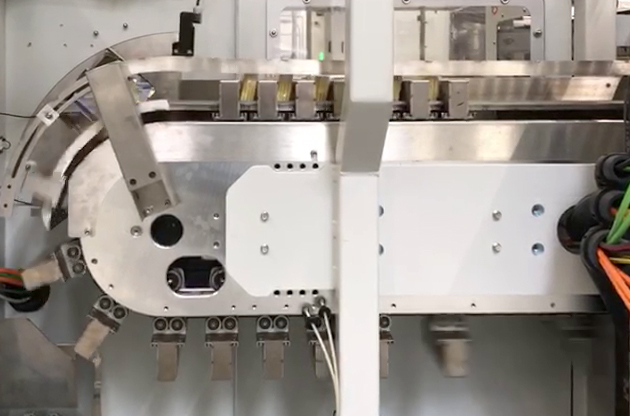
Ultimately, these effects may also have an impact on the cost of the finished product. Taking these factors into account right from the packaging development stage is one of the benefits of collaboration between partners with different areas of expertise. However, interdisciplinary consultancy remains effective only if the configuration of the packaging lines can be adapted. Precisely because regulatory requirements may change, the production infrastructure must also offer a certain degree of flexibility. Minimising risks therefore also means adopting modular packaging lines that do not hinder change, but rather facilitate it.