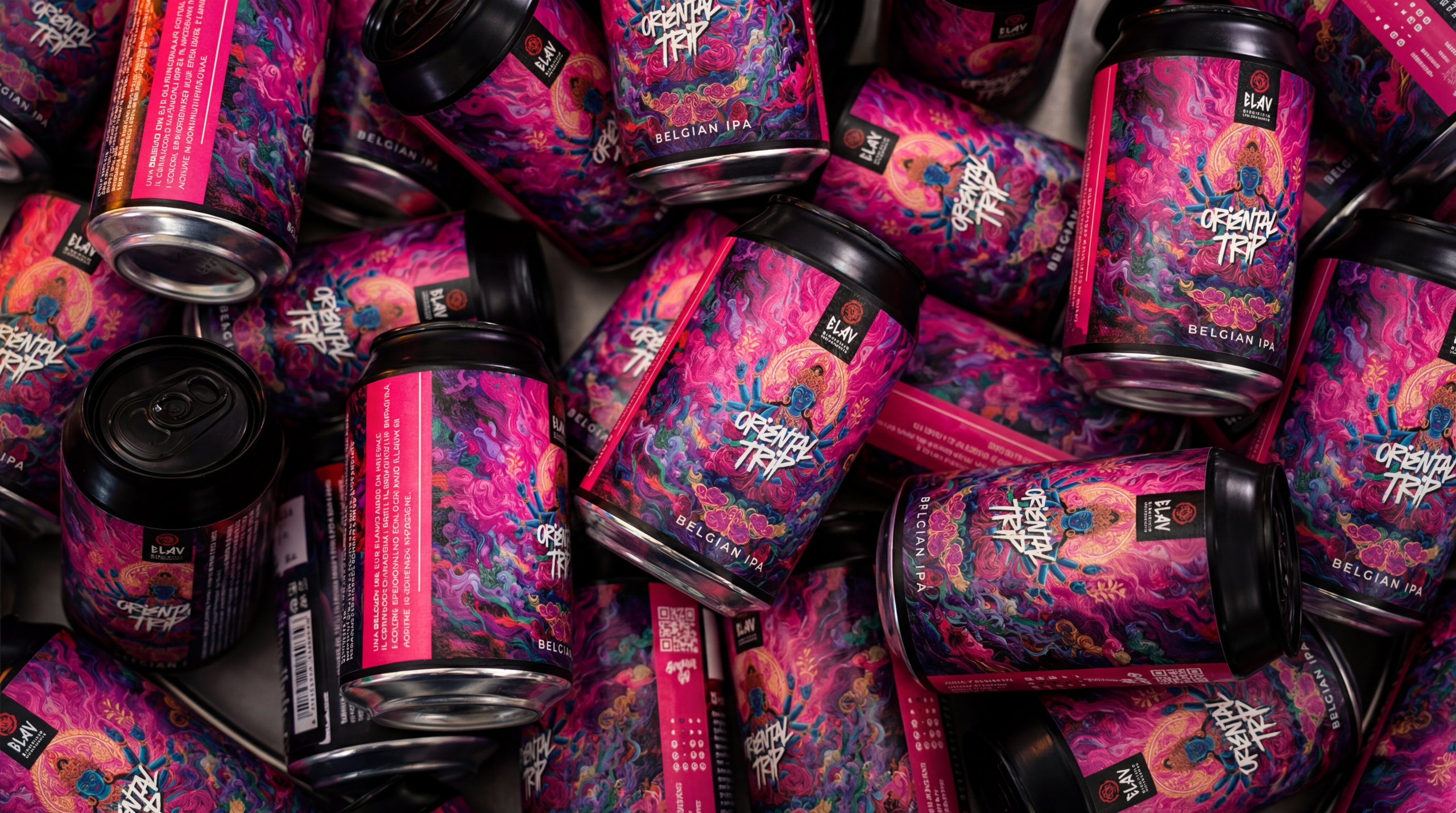
A strong bond has always existed between certain musical genres and good beer; indeed, one could say that beer is practically the middle name of rock ‘n’ roll in its many forms. Elav — an independent brewery from the Bergamo area — has long embraced this partnership in various ways, and can rightly claim to have risen from its own ashes like the mythical phoenix just last year. Its product lineup leaves no doubt about this connection, featuring labels inspired by everything from grunge, punk, and heavy metal to psychedelic “flower power” and the indie scene — while also inevitably acknowledging other artistic expressions like techno and jazz. The beauty of it is that this harmonious relationship between blond ales, stouts, IPAs, and more extends far beyond mere packaging design. Instead, Elav opens up a whole new world to consumers through a dedicated QR code prominently displayed on every can and bottle — formats that account for 35% and 25% of its annual production, respectively.
Local today, global tomorrow
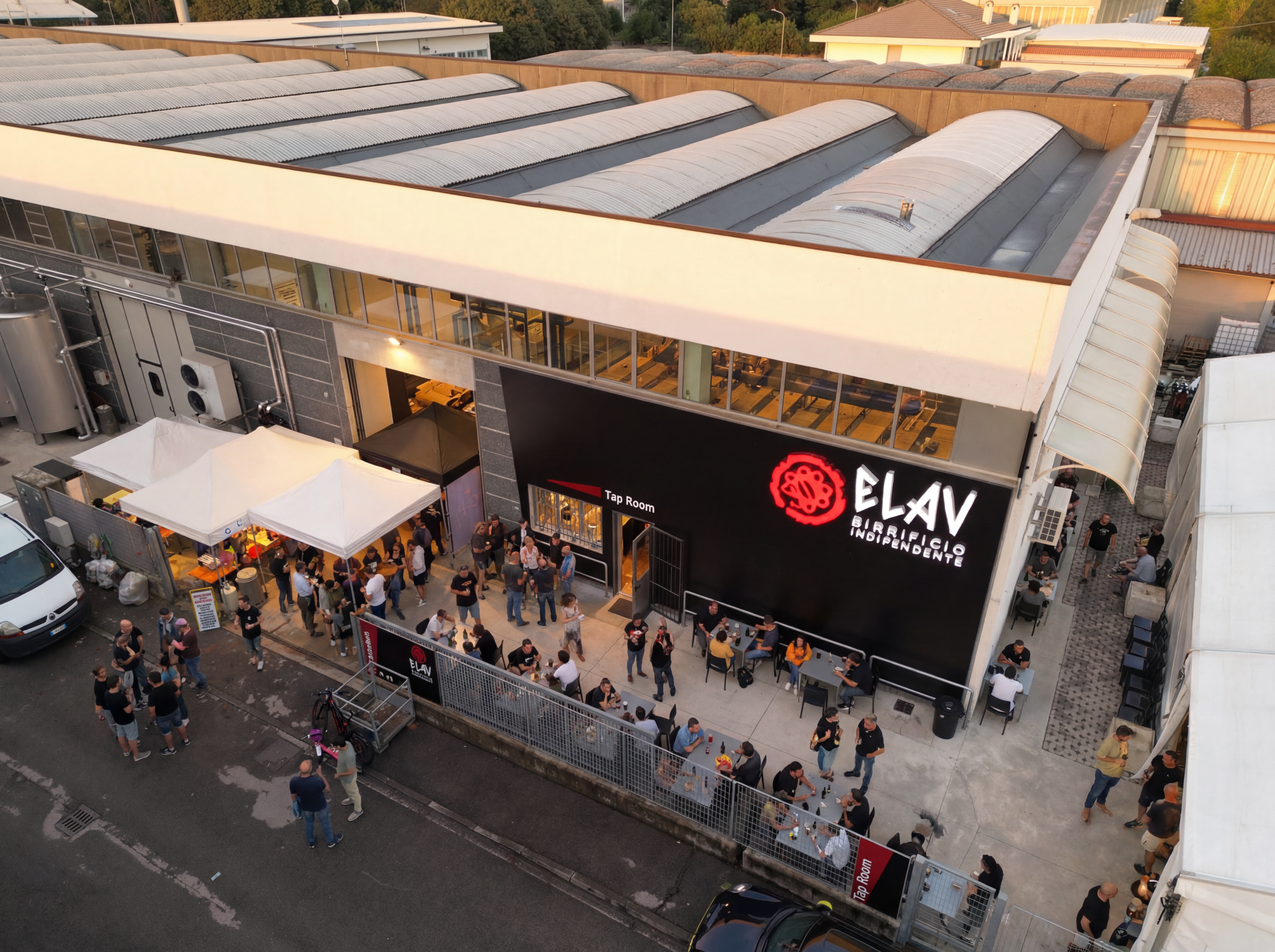
In other words, by scanning the code with a smartphone camera, one can access playlists featuring the corresponding musical style on the producer’s Spotify channel; the company is also conducting targeted surveys among its fans to expand these compilations based on their tastes. Yet, while this represents the marketing side of things — an approach that will also extend to other, very different channels — work is simultaneously intensifying at the Bonate Sotto facilities to produce ever-larger quantities of this prized beverage and thereby expand market presence.
“To enhance the quality and consistency of Elav products,” explained Communications Manager David Carminati, “we have implemented a technology investment plan worth approximately one million euros since taking over the facilities. Part of the new ownership team comes from the neighboring company Comac — which specializes in bottling technology — while the brewery itself employs a total of five people. Our goal for 2026 is a total output of 200,000 liters, though we aim to triple our volumes within three years. We are firmly established locally and throughout Lombardy, where the brand first made its mark fifteen or twenty years ago; now, we need to find ways to attract a necessarily different audience and reach other Italian regions first, before setting our sights on international markets.“
The reputation of “Made in Italy” is now solid in the brewing sector as well, and success in EU countries or the United States is considered an achievable goal; the first step, however, is to rebuild the national distribution network to ensure it operates with sufficient efficiency.
Pop art
The e-commerce site is already up and running; the goal is to channel approximately one-third of orders through it, with the remainder of sales split evenly between bars and pubs and sales handled by a dedicated team of agents. Currently, there are two distributors operating in Lombardy and neighboring areas, as well as in Tuscany; they also market Polykegs — though stainless steel kegs are available upon request — which account for 40% of Elav’s total output. “We offer eight beer families,” Carminati continued — “Pils, Punks do it bitter, Grunge, Free jazz, Techno, Indie, No war, and Dark metal — with two more ready to join the lineup: Oriental and Moroni. The latter was developed for a special context and has a unique backstory. As is well known, Giovan Battista Moroni was a famous 16th-century painter born in Albino. The series dedicated to him was created in collaboration with the local Accademia Carrara to coincide with specific exhibitions. We plan to direct sales proceeds toward art restoration or social initiatives, following the example of the ‘Festa del Risveglio’ (Festival of Awakening) in September 2025, when the earnings were shared with volunteers from the ‘L’asino meccanico’ organization.“
The hectolitre tree
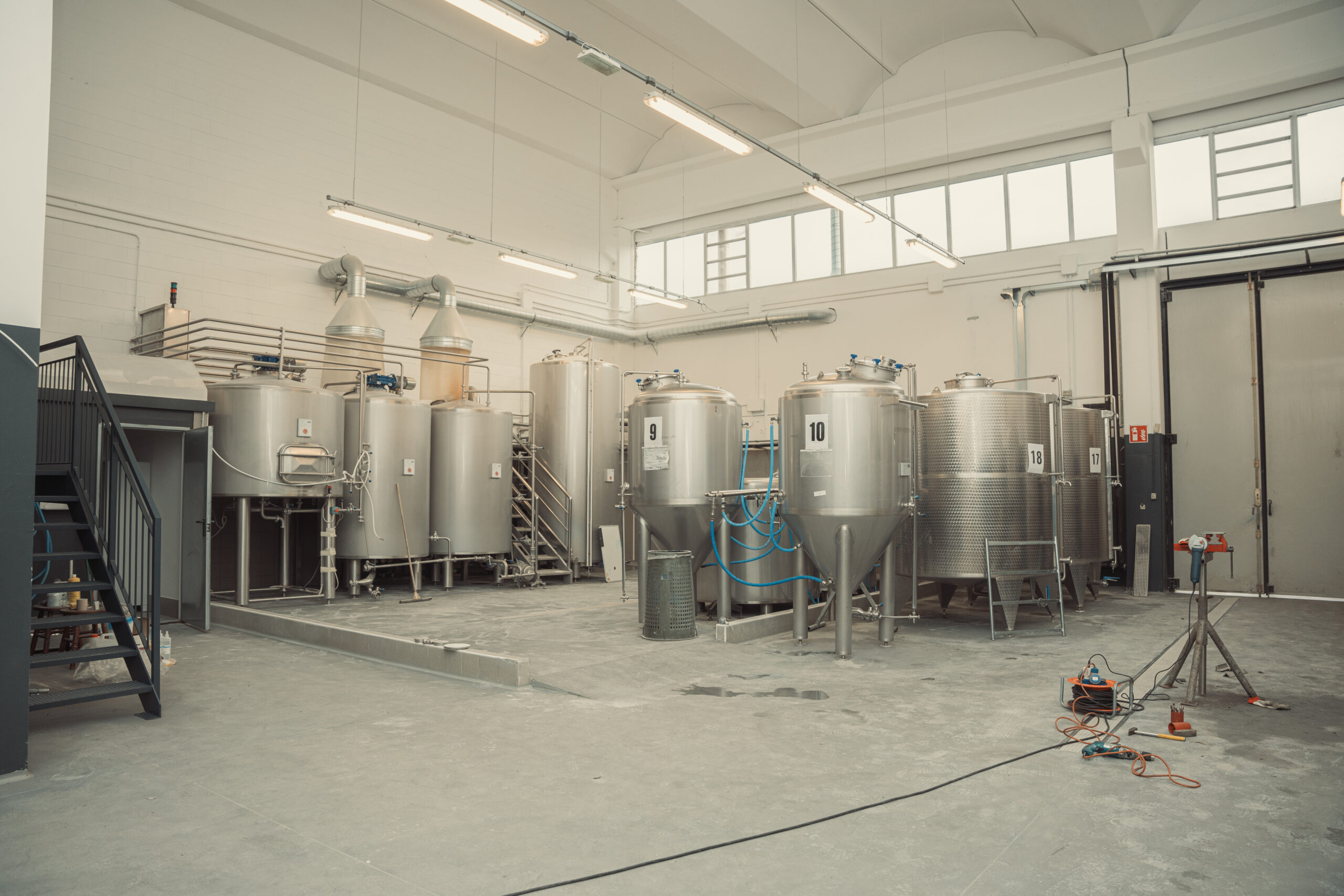
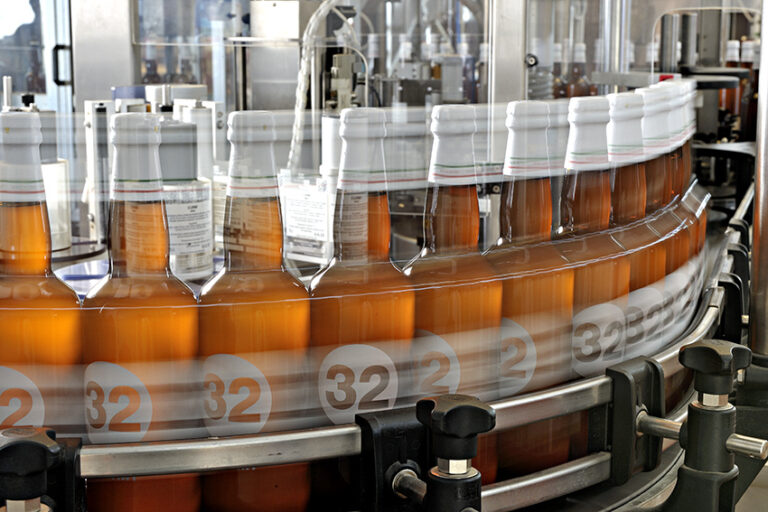
While Elav sources its hops — such as Sorachi Ace and other varieties from Asia, the US, and Europe — through an Italian distributor, it takes a decidedly more self-reliant approach to its machinery. Operating within a total area of 500–600 square meters (including a taproom), the brewery installed an automated grain-loading system by adapting a solution from Errebi and assembled its reverse osmosis unit using Sacco components. A combination line supplied by Cimec Italia handles the packaging of both cans and 33cl or 50cl bottles, boasting a capacity of 2,000 units per hour for each container type; the filling process utilizes technology sourced directly from the neighboring company Comac. Finally, there are three fermenters, with capacities of 2,000, 4,000, and 8,000 liters, respectively.