Trans-resveratrol (TR), a stilbene known for its antioxidant properties, is widely studied for its health benefits.
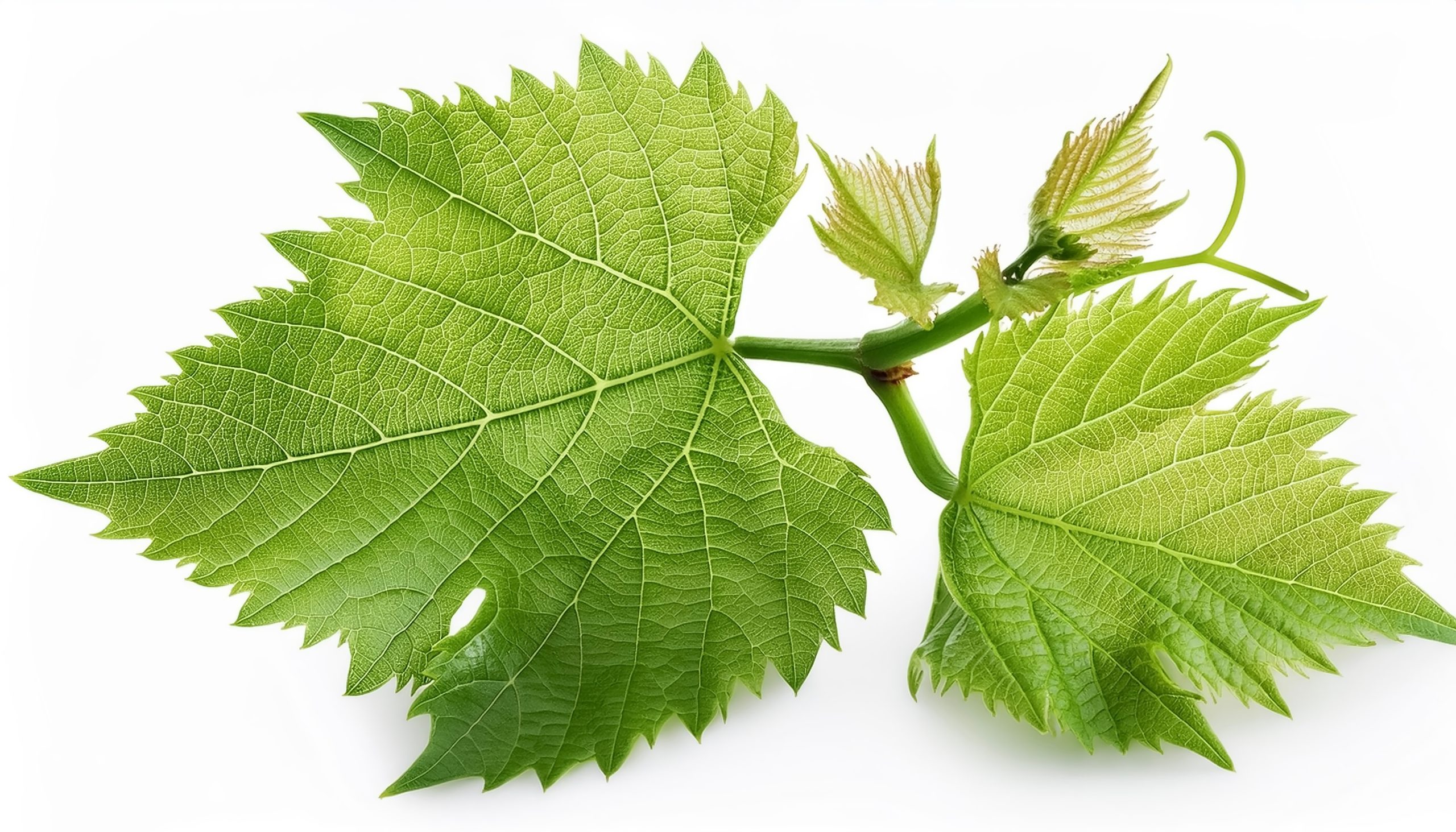
Recently, vine shoots have been identified as a rich source of TR, prompting the development of recovery methods from this matrix.
Following this recovery, however, it becomes essential to adopt quantification methods that are non-destructive, reliable and eco-friendly, in line with the principles of sustainability. In this context, this study explores the use of excitation-emission fluorescence spectroscopy combined with chemometrics for the analysis of TR in raw extracts obtained from vine shoots.
In particular, a total of 75 samples were analysed using ultra-performance liquid chromatography with diode array detection (UPLC-DAD) and spectrofluorimetry. Subsequently, two multivariate calibration strategies were tested for TR quantification: i) calibration based on parallel factor analysis (PARAFAC); ii) N-way least squares regression (NPLS).
The results show that the extracts have variable TR contents, with excitation/emission peaks at approximately 305/390 nm, respectively. PARAFAC calibration produced a root mean square error of prediction (RMSEP) of 22.57 mg L−1 and a relative predictive deviation (RPD) of 2.91. NPLS regression proved slightly better, with an RMSEP of 19.47 mg L−1 and an RPD of 3.33.
In summary, the results suggest that fluorescence spectroscopy, supported by advanced chemometric tools, represents an alternative technique for quantifying TR in complex matrices.
Bibliographical references: A.F. Caputi et al., Convegno Nazionale di Scienze e Tecnologie Alimentari, Bari, 12-13 Giugno 2024, 87.