In the increasingly competitive world of food and drinks, packaging isn’t just a “container”: it’s often the first way a product communicates with consumers. Hence the idea for a new 330 ml bottle designed for those seeking a balance between aesthetics, functionality, and environmental awareness.
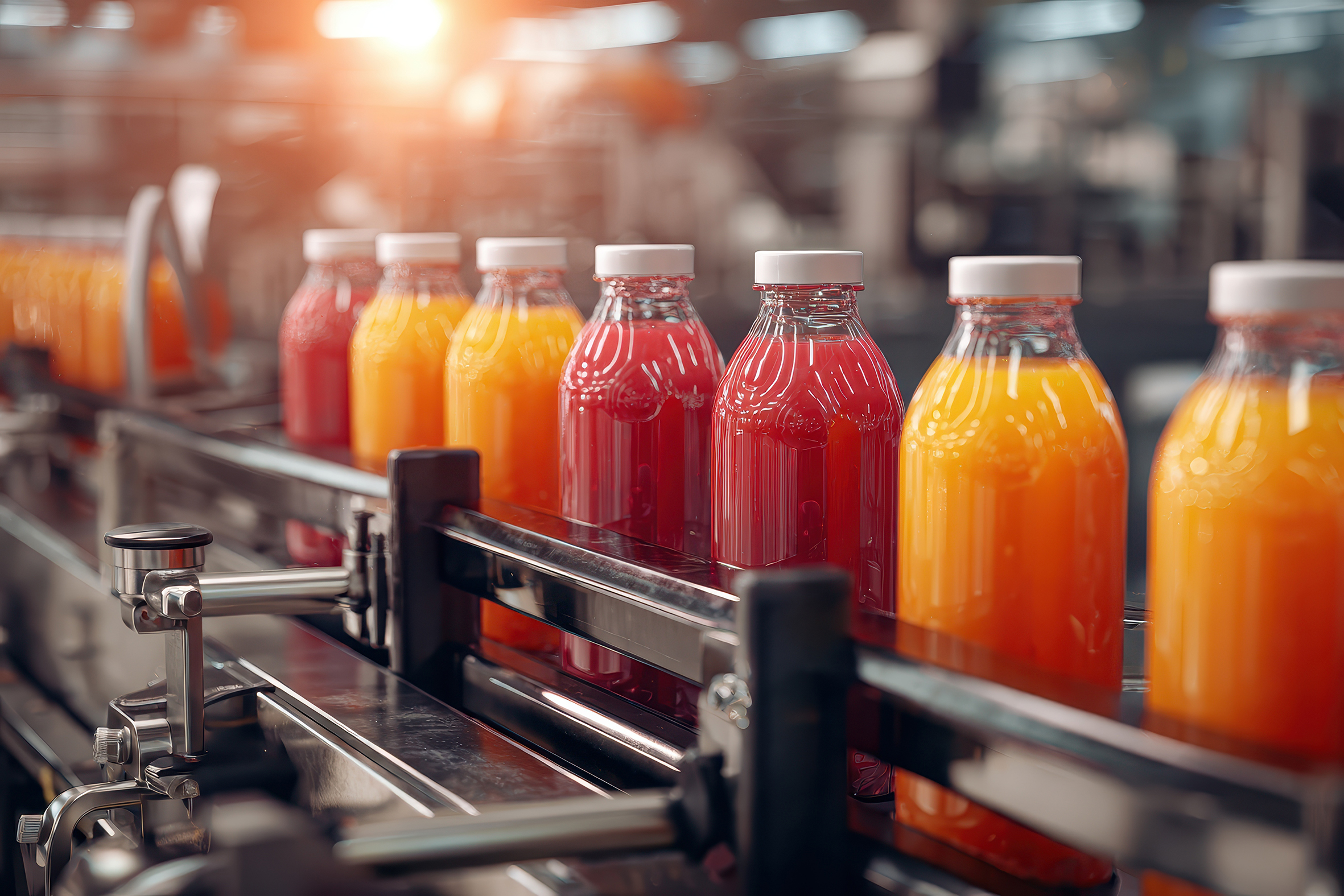
The concept takes shape through a structured Product Design and Development (PDD) and Quality Function Deployment (QFD) methodology, which combines real user needs, market trends, ergonomic considerations, and sustainability criteria. The result is a compact bottle, comfortable to hold, and designed with a “bear paw” base: a choice that improves stability and encourages creative reuse even after consumption.
The selection of materials follows the same logic: rPET and biodegradable biopolymers, to meet the increasingly pressing demands of a circular economy and reduced environmental impact.
Even the visual aspect has been carefully considered. The bottle adopts a minimalist style, with modern and legible labels printed with eco-friendly inks. The finishes—both matte and glossy—and a color palette inspired by the flavor of the contents create a premium feel without sacrificing recyclability. For designers, the “Trendy-Bottle Design” platform offers a 3D environment where they can experiment with variations and easily collaborate during the development phases.
The project was tested with over 245 users (aged 15-45) and validated through interviews with 84 industry experts. Feedback clearly highlighted the importance of a good grip, easy opening, light weight, and a reduced environmental footprint. In direct comparisons with traditional models, this concept achieved better results in both usability and aesthetics, with a significantly higher “usefulness” rating.
The systemic approach also considered compatibility with existing production facilities, simplification of molding processes, and optimization of logistics costs. Engineering parameters—from wall thickness to grip coefficient to thermal stability—were calibrated to ensure both strength and lightness, with minimal environmental impact.
The package is completed with universal symbols, useful for immediate communication, and extensive graphic customization options. Thus, the bottle becomes not only a functional object, but also a means for consumers to express their style, thoughtfulness, and identity.
Ultimately, research shows that packaging innovation isn’t just about improving a product: it can translate into a real competitive advantage and, at the same time, encourage more informed and sustainable consumer choices.
References: Pinthanon, P., Rianmora, S., & Yenradee, P. (2025). Sustainable design concept for a trendy beverage container. International Journal of Sustainable Engineering, 18(1). https://doi.org/10.1080/19397038.2025.2492158